10 Simple Techniques For How To Choose The Right Fabric
Material. The body and soul of any kind of sewing project, it can make or break you (as well as your brand-new item). After a few of you guys suggested it, I thought it was time to speak with you more regarding textiles. I created a little on this topic regarding 5 years (!) earlier, and also assumed it was ultimately time to update that message.
Experience has actually educated me a lot, as have the wonderful women who've dealt with me in the studio, all with better textile choice skills than me (as a result of pattern making training courses or stints at Central https://www.dailymotion.com St Martins!). As well as when I began to write it down, my mind had a major overflow of information … it appears I've been keeping up the suggestions for some time! Which is why instead than simply being one blog post, this little fabric chat developed into a series.
Hope you appreciate! There are great deals of ways to select your brand-new job, I such as to search for inspiration on Pinterest and afterwards exercise just how to make the layout in one of the most easy method– it's usually a little an experimentation strategy however it benefits me (many of the time!).

You can also locate an item in a store you such as, or something you own currently, and also make use of that suggestion (or the real item) as a basis. Prior to you even step foot into the material store, it's worth doing some research regarding the garment that you intend to make. Something I truly like to do is go window shopping and take a look around at what is in stores and also what fabrics are being utilized.
Office Design Tips: How To Choose The Right Fabric For … for Beginners
Once you're purchasing the material itself, constantly unroll the material a couple of backyards and see exactly how it hangs. The hang or 'drape' of the material will be an essential aspect in regards to how the garment views on. Notice just how silk hangs gently, while linens are a lot more heavy with a propensity to stand out when pleated or collected? For me, the drape of the textile is the most vital variable in choosing a fabric that looks great and fits the task.
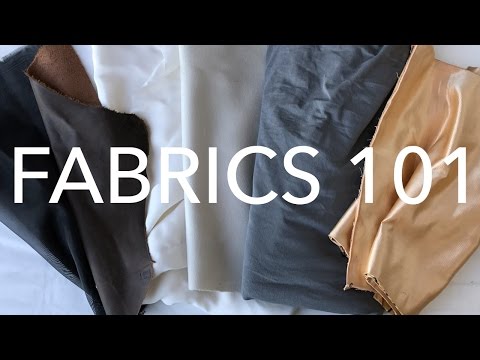
Typically the lights in a store can make a colour look various to exactly how it searches in natural light, so always take the fabric right into natural light (or near a home window) before purchasing. Likewise, ensure to stand up the textile to your skin to inspect exactly how it looks versus you if you are making something on your own.
Draw the material in between your fingers to test the stretch. Most materials will have a component of stretch, particularly when pulled on the cross (diagonal against the grain), as well as this will work to understand. I favor to select materials with very little stretch, as I believe these have an even more natural wear and also loss, however it will certainly all boil down to what you are making.
Make the effort to imagine what the job will certainly resemble in a provided fabric. Think of the colour and curtain– will the outfit you wish to make look great in a light silk textile, or would certainly it be better in a hefty bed linen? Think of your own form as well– heavier materials often tend to be much more forgiving on the number than light silks– specifically in the case of easy sewing tasks with minimal framework.
The 5-Second Trick For Choosing The Best Fabric For Your Custom Suit
Make sure that you get sufficient for your product. Generally, if I am buying fabrics in a market and purchasing a whole lot at once, I typically buy around 2– 3 m (around 2.5 yards) of material if I'm unsure what I am going to be making … Relying on the rate obviously! In this way I have a little versatility when it involves really stitching.
I additionally find that some materials have a most glamorous feeling to arrange with, meaning they look good even if you make something straightforward out of them … Great for individuals who like faster ways (like me!). These are several of my favourites. Starting? Light cotton with a close weave is a fantastic location to begin, as it's usually very easy to stitch as well as frequently has a light autumn that is excellent for simple projects like tops as well as gowns.
Heavy cotton is best for things that you intend to have even more form, but it's still truly very easy to sew. When choosing your hefty cotton, know that it is generally quite tight and also see to it this has been represented in the project you select. Otherwise it will stick out a lot in places you do not desire it to.
 My super blog 6358